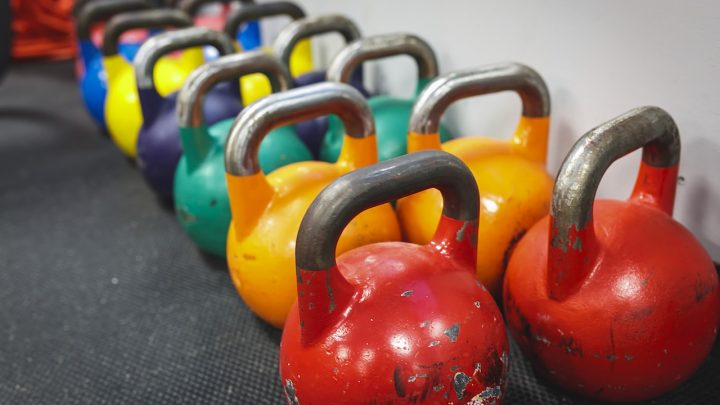

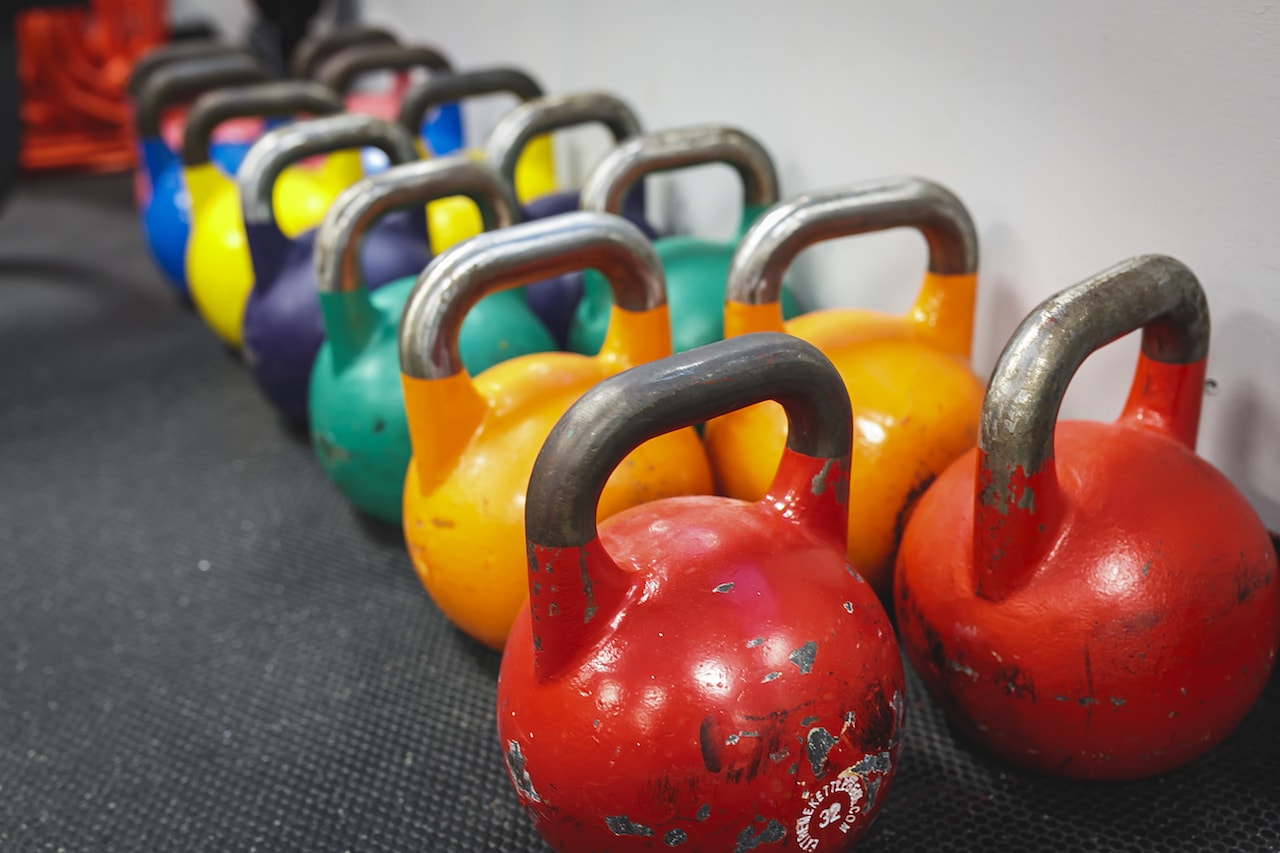
If we, at JKC, have had the pleasure of having you as a client for any amount of time, it is likely you have been introduced to the kettlebell swing. As you are standing there, violently swing that bell, you may be wondering a couple of different things. What is the point of the swing anyway? Is this really doing anything for me? Where should I feel this? And likely many more. Well, I am happy to say that after this article, you will have all the answers to these questions and more!
First though, a brief history of the kettlebell itself. Interestingly, kettlebells actually date to 1700’s Russia where they were used by farmers for weighing crops. Then, around the turn of the 20th century, kettlebells became the tool of choice for Russian and European strongmen. From there, the kettlebell became the favourite tool of Russian Red Army for their gruelling exercise regimes (Tsatsouline, 2001). The usage of the kettlebell however, took much longer to catch on in North America. In fact, it was not until 2001 that they were really introduced to the North American masses by renowned Russian strength coach Pavel Tsatsouline. Tsatsouline, a former Special Forces trainer in Soviet Russia, first published his training manual “The Russian Kettlebell Challenge” that year, awakening the fitness community to this invaluable training tool.
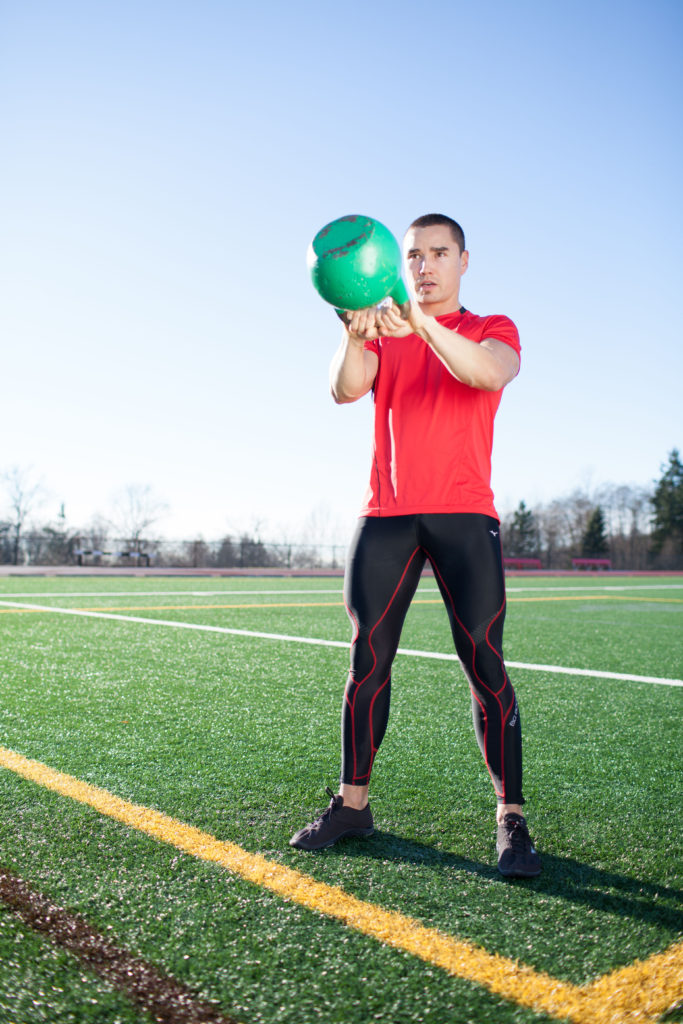 The reason that the swing enjoys so much popularity with us at JKC is because of the host of benefits which it yields. First, the swing is the foundational exercise for most other kettlebell exercises which you may learn such as the clean, snatch or front squat (Lake & Lauder, 2012). Simply put, most other exercises which you may learn are based around the swing motion. Also, the kettlebell has been said to simultaneously develop both strength and flexibility of the shoulder and hip joints (Tsatsouline, 2001), a benefit not seen with traditional barbell or dumbbell exercises.
In addition to the firsthand accounts by those such as Tsatsouline, several, peer-reviewed research studies have noted the benefits of the kettlebell swing. For example, in a 2012 study, McGill and Marshall noted that the kettlebell swing resulted in rapid muscle activation-relaxation cycles substantially improving the ability of the user to generate muscular power, the ability of the muscles to generate force quickly. In a practical sense, this ability to quickly generate muscular force is the difference between slipping and catching yourself and slipping and falling on an icy sidewalk. Secondly, the authors credit the unique muscle activation patterns in the glutes and low back when swinging for self-reported restoration and enhancing of back health and function in those with previous low back injuries.
In another study, Lake and Lauder (2012) noted that proponents of the swing suggested that it simultaneously improves muscular strength, endurance, power and cardiorespiratory fitness. To investigate claims like these, Lake and Lauder (2012) designed a study which compared kettlebell training to traditional strength and power training. The results of their study clearly demonstrated the power of the kettlebell swing with the authors reporting average increases of 9.8% and 19.8% respectively for maximum muscular strength and explosive strength over a six week training program.
The bottom line: Kettlebell swings are great! Not only are they are the base move for more advanced techniques such as the clean, snatch and front squat but they have been anecdotally and scientifically shown to increase muscular strength, endurance, and power. In addition, the unique patterns of muscle activation which occur during the swing provide relief for those who experience pain during traditional back exercises. So next time you are standing there, swinging away, just remember that you are swinging for a purpose!
Prepared for the JKC blog by coach Thomas.
Photo credit: JP Mullowney & Mark Burnham Photography
References:
Lake, J.P., Lauder, M.A. (2012). Kettlebell swing training improves maximal and explosive strength. The Journal of Strength and Conditioning Research, 26(8), 2228-2233.
McGill, S. M., Marshall, L.W. (2012). Kettlebell swing, snatch, and bottoms up carry: Back and hip muscle activation, motion, and low back loads. The Journal of Strength and Conditioning Research, 26(1), 16-27.
Tsatsouline, P. (2001). The Russian Kettlebell Challenge: Xtreme Fitness for Hard Living Comrades. Little Canada, MN: Dragon Door Publications